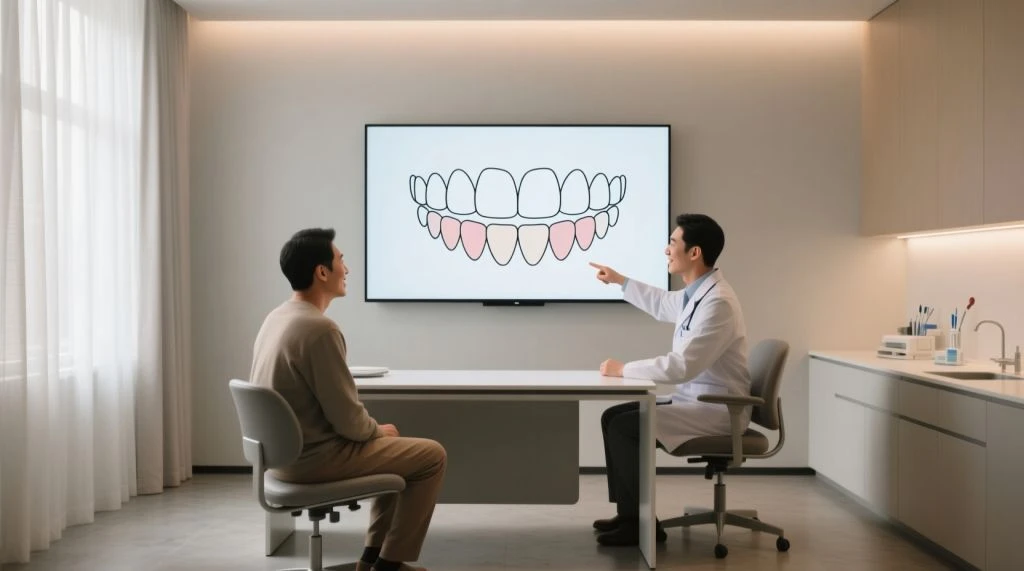
Porcelain veneers have become a popular choice for those looking to enhance their smiles quickly and effectively. They can mask imperfections such as chips, discoloration, and minor gaps, offering a more uniform and aesthetically pleasing appearance. However, it’s important to understand that while veneers are durable, they are not a permanent solution. Their longevity is influenced by a variety of factors, including the skill of the dentist, individual oral health, and personal habits.
The Expected Lifespan: A Realistic Range
On average, porcelain veneers are expected to last between 10 to 15 years, according to many dental professionals. Some individuals may enjoy their veneers for up to 18 or even 20 years, thanks to strong enamel, a stable bite, and consistent oral care. Conversely, others might need replacements before the 10-year mark due to fractures, gum recession, or changes in the underlying tooth structure.
The variation in lifespan is primarily because veneers are bonded to living teeth, which can shift, change, and wear over time. The stability of the tooth supporting the veneer is crucial for its longevity.
Why Bonding Technique Matters
The success of a veneer largely depends on the bonding process. Porcelain is inherently strong, but if the adhesive layer is weak or uneven, the veneer won’t withstand daily use for long. Proper bonding requires precise tooth preparation, clean and controlled adhesive application, and a meticulous fit between the veneer and the enamel.
Minor errors during this process might not be immediately apparent but can surface years later as staining at the edges, small gaps, or slight movement. This is why choosing an experienced dentist is crucial. If you’re considering veneers, it’s wise to inquire about the dentist’s experience with veneer cases or whether they collaborate with a dedicated ceramist. These details can significantly impact the long-term outcome.
The Condition of the Underlying Tooth
A veneer only covers the front surface of the tooth, so its success hinges on the health and strength of the underlying tooth. Teeth with large fillings, cracks, deep staining, or previous trauma may not support veneers as effectively as healthy enamel. A tooth that has undergone a root canal may darken or weaken over time, affecting the veneer’s appearance or stability.
Dentists often take multiple photos, X-rays, and scans before recommending veneers. They assess not just the shape and color but also whether the tooth can support a restoration for a decade or more.
Everyday Habits That Impact Longevity
Porcelain is a strong material, but certain habits can compromise veneers. Grinding and clenching, often done unconsciously at night, can chip veneers or weaken the bond. Chewing ice, biting pens, or cracking nuts with your teeth can also cause damage. Porcelain won’t flex under pressure; it will crack if pushed beyond its limits.
Smoking doesn’t stain porcelain but can affect gum health, leading to gum recession and exposed veneer edges. Heavy coffee or tea consumption can stain the natural tooth around the veneer, creating a noticeable contrast.
Maintaining Veneers Over the Years
Caring for veneers is straightforward. They require consistent, gentle cleaning with a soft toothbrush and non-abrasive toothpaste. Daily flossing helps prevent bacteria buildup along the margins.
Regular dental visits are essential for early detection of issues such as tiny chips, thinning cement, or gum inflammation. Informing the hygienist about your veneers ensures they use polishing pastes and tools that won’t scratch the porcelain.
Minor damage can sometimes be repaired with composite resin, but severe cracks or separation usually require replacement.
Veneers and the Natural Aging of the Mouth
Even if veneers remain intact, the mouth changes over time. The jawbone remodels, teeth shift, and gums can recede due to brushing habits, genetics, or aging. When gums recede, the border between the veneer and the natural tooth becomes visible, affecting the seamless appearance.
In some cases, replacing the veneer with one designed for the new gum contour is necessary. In others, treating gum inflammation or adjusting brushing techniques can suffice.
As people age, enamel wears down, and changes in the bite can place uneven force on veneers. Long-term monitoring is crucial to address these subtle changes.
The Cost Question: Is the Investment Worth It?
Porcelain veneers are more expensive upfront than composite bonding or whitening, but they offer longer-lasting results and better color retention. When considering whether veneers are worth the investment, it’s important to focus on their longevity.
If you expect veneers to last a lifetime, you’ll be disappointed. However, if you view them as a long-term restoration, similar to a roof that lasts 10 to 20 years, they become a more sensible choice. Many people find the confidence boost and long-lasting results justify the cost.
Budgeting for eventual replacement helps manage expectations. Some providers offer warranties or reduced-cost replacements within a few years, but long-term maintenance is still a consideration.
Choosing a Clinician With Longevity in Mind
Selecting a provider isn’t about finding the fastest or cheapest option; it’s about choosing someone who prioritizes long-term health. A good veneer plan includes evaluating bite alignment, gum stability, enamel thickness, and discussing habits that could shorten veneer life.
Consulting with a dentist at Clementi or a dentist near Clementi can give you a clear sense of your suitability before committing. Viewing mock-ups and previous cases can also provide insight into the dentist’s approach to proportion, symmetry, and natural aesthetics.
When to Replace Veneers
Most people know it’s time to replace veneers when they notice visible issues such as chipped edges, darkening of the underlying tooth, or margins that catch floss. Sensitivity can also indicate decay under the veneer. Sometimes, the veneer is intact but no longer matches the surrounding teeth.
Replacement involves removing the old veneer, re-preparing the surface, and placing a new one. With modern ceramics and experienced dentist near Clementi, the process is predictable.
Final Thoughts
Porcelain veneers are a reliable and long-lasting cosmetic treatment, but they are not permanent. Expect about 10 to 15 years of good performance, potentially longer with strong enamel, good habits, and routine care. Their lifespan is a balance between material strength, dentist skill, and everyday behavior.
Understanding that veneers require maintenance and eventual replacement makes them a smart investment rather than a surprise expense. With proper planning and consistent care, they can remain strong and natural-looking for many years.

Comments
No comments yet. Be the first to react!