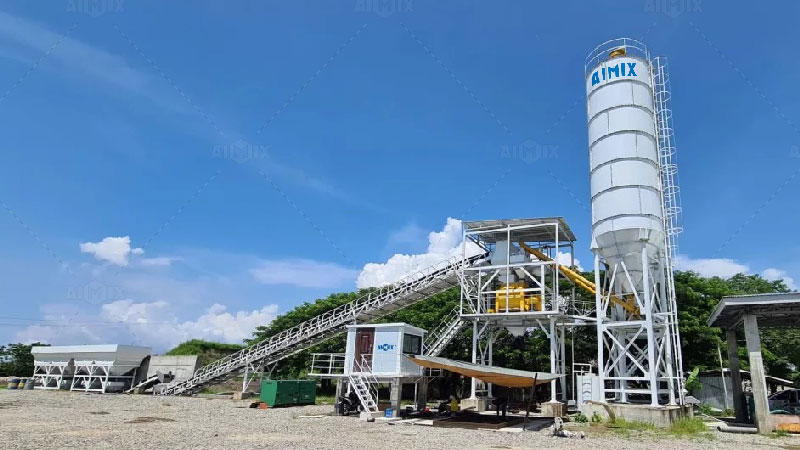
Peru's construction sector is undergoing a significant transformation. As the government commits to carbon neutrality goals, new regulations are reshaping how concrete is produced and delivered. For contractors and ready-mix suppliers, this shift creates both pressure and opportunity. Traditional concrete production is responsible for approximately 8% of global CO₂ emissions, primarily from cement manufacturing. In response, Peruvian authorities are introducing policy subsidies, tax incentives, and preferential bidding status for companies that adopt low-carbon equipment. If you are searching for a concrete plant for sale in Peru(venta de planta de concreto en Perú), understanding these green policies could save you thousands of dollars while positioning your business as an environmental leader. This article explains how a modern concrete mixing plant with low-carbon features helps Peruvian companies—and even those operating across the border in a concrete plant Bolivia context—qualify for financial benefits.
The New Regulatory Landscape in Peru
Peru's Ministry of Environment has set ambitious targets to reduce construction-related emissions by 2030. Municipalities in Lima, Arequipa, and Cusco now require environmental impact assessments for new concrete production facilities. However, rather than punishing operators, the government is using positive incentives. Companies that invest in energy-efficient, low-emission equipment can access subsidies covering up to 15% of the purchase price. This makes the search for a concrete plant for sale in Peru more strategic than ever before.
How Low-Carbon Concrete Mixing Plants Differ
A standard concrete mixing plant(planta hormigonera) consumes significant electricity for aggregate weighing, mixing, and conveying. A low-carbon version incorporates several key upgrades: high-efficiency motors, optimized mixer geometry that reduces mixing time, dust collection systems that capture particulate matter, and software that minimizes cement overuse. Some advanced models even include systems for using supplementary cementitious materials like fly ash or slag, which have a much lower carbon footprint than traditional Portland cement. When you evaluate a concrete plant for sale in Peru, look for these features—they directly determine your eligibility for subsidies.
Policy Subsidies Available for Green Equipment
Peru's Clean Production Incentive Program (Programa de Incentivos a la Producción Limpia) offers reimbursements for qualifying equipment purchases. For a concrete mixing plant that meets specific energy and emission standards, the subsidy can cover between 10% and 20% of the total investment. Additionally, companies that operate a certified low-carbon concrete plant for sale in Peru may qualify for accelerated depreciation on their corporate taxes, reducing taxable income in the first two years of operation.
Regional Opportunities: Peru and Bolivia
The green construction trend extends beyond Peru's borders. Bolivia has also introduced environmental incentives for industrial equipment, though the framework is less developed. A contractor managing projects in both countries might consider a concrete plant Bolivia(planta de concreto Bolivia) operation that mirrors the low-carbon specifications used in Peru. This approach allows a single fleet to qualify for incentives on both sides of the border. When researching a concrete plant for sale in Peru that could also serve Bolivian projects, check whether the supplier offers dual-certification for environmental standards applicable in both nations.
Practical Steps to Qualify for Subsidies
Qualifying for policy subsidies requires more than simply purchasing a concrete mixing plant. Peruvian regulations demand documented evidence of environmental performance. Below are the essential steps.
Verify Certification Requirements
Before buying any concrete plant for sale in Peru, request the supplier's environmental compliance documentation. Recognized certifications include ISO 14001 for environmental management and specific energy efficiency ratings for industrial mixers. The concrete mixing plant must have its motor efficiency class (IE3 or IE4) clearly stated. Without these documents, your subsidy application will be rejected.
Calculate Your Baseline and Projected Emissions
Subsidy programs require a baseline comparison. You need to demonstrate that your new concrete mixing plant reduces emissions compared to your previous equipment or compared to industry averages. Many suppliers of a concrete plant for sale in Peru provide emissions calculation tools. For a concrete plant Bolivia operation aiming to export materials to Peru, using the same calculation methodology ensures consistency across borders.
Submit Through the Correct Channels
The application process for clean production incentives is managed by PRODUCE (Ministry of Production) in coordination with regional governments. Applications typically require the equipment invoice, technical specifications, certification copies, and a brief environmental impact statement. Some municipalities offer expedited processing for companies that also commit to using local supplementary materials. If you operate a concrete plant Bolivia facility that supplies Peruvian projects, consult with a customs broker about cross-border subsidy eligibility.
Financial Benefits Beyond Direct Subsidies
The advantages of a low-carbon concrete mixing plant extend beyond the initial subsidy check. Many public infrastructure tenders in Peru now include environmental scoring. A contractor with a certified low-carbon concrete plant for sale in Peru can earn extra points in bid evaluations, often enough to win contracts over competitors with lower prices but worse environmental records. Additionally, corporate clients in Peru's growing green building sector actively seek suppliers who can document low-carbon concrete. This creates a marketing advantage that translates into higher sales volumes and better margins.
Long-Term Positioning for a Carbon-Constrained Future
Carbon neutrality is not a passing trend. By 2035, experts expect Peru to implement carbon taxes on industrial emissions. A concrete mixing plant purchased today with low-carbon features will be partially exempt from those future taxes, while older equipment will face increasing operating costs. For a concrete plant Bolivia business looking ahead, aligning with Peruvian standards early creates a competitive moat. The few thousand dollars saved on a cheaper, inefficient concrete plant for sale in Peru will be dwarfed by future penalties and lost opportunities.
A Strategic Investment in Growth and Compliance
The message for Peruvian contractors is clear: low-carbon concrete production is no longer just an environmental choice—it is a financial strategy. By selecting a concrete plant for sale in Peru that meets energy efficiency and emission standards, you unlock subsidies, tax benefits, and preferred bidding status. A modern concrete mixing plant pays for itself faster when you factor in these policy supports. And for companies operating across borders, whether in Peru or a concrete plant Bolivia facility, adopting green standards early positions your business as a regional leader. The transition to carbon neutrality is underway. The companies that invest wisely today will reap the rewards for decades.

Comments
No comments yet. Be the first to react!