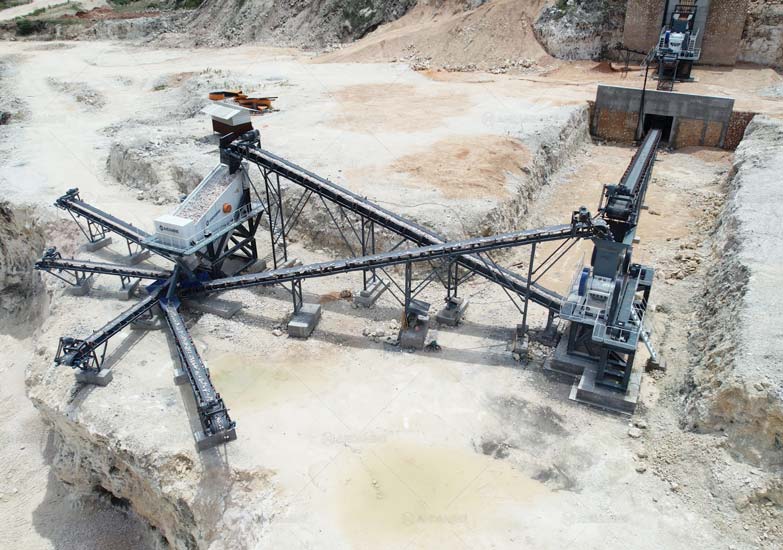
The Latin American aggregate industry is in the midst of a profound digital transformation. Moving beyond reliance on mechanical processes and manual oversight, leading operations are embracing a new model driven by data and centralized intelligence. This shift is most visible in the modernization of the fixed crushing plant, where the implementation of advanced Central Control Systems (CCS) is fundamentally reshaping production modes. For operators, whether evaluating a new stone crusher plant for sale(planta trituradora de piedra en venta) or retrofitting an existing aggregate crusher plant, the integration of a sophisticated CCS has transitioned from a luxury to a core strategic imperative. This technology serves as the operational brain, optimizing efficiency, ensuring consistent quality, and unlocking new capabilities, such as the efficient processing of recycled materials through an integrated industrial debris crusher. The result is a more competitive, sustainable, and resilient operation tailored for the future of the region's infrastructure demands.
The Central Nervous System of the Modern Plant
A modern Central Control System is far more than a collection of monitoring screens. It is an integrated software and hardware platform that acts as the central nervous system for the entire crushing circuit, providing operators with complete visibility and automated command from a single location.
Core Components and Capabilities
The effectiveness of a CCS stems from its layered integration of key functionalities that work in unison.
Unified Process Visualization and Monitoring: The system provides a real-time, interactive schematic of the entire material flow. Operators have an instantaneous, holistic view of live tonnages on each conveyor, motor loads, bin levels, and screen efficiencies. This eliminates the need for constant physical patrols and allows for immediate detection of bottlenecks or process deviations.
Automated Process Control and Optimization: This is where the CCS actively manages production. Using pre-set parameters and intelligent algorithms, the system can automatically regulate feeder speeds, adjust crusher settings (like the Closed Side Setting on cone crushers), and coordinate equipment sequences. This ensures the plant operates consistently at peak efficiency, maintaining optimal crusher cavity levels for superior product shape and throughput.
Integrated Quality Management: By connecting directly to in-line particle size analyzers, the CCS receives continuous feedback on product gradation. It can then make automatic micro-adjustments to crusher settings to keep the final aggregate(planta trituradora de agregados) within precise specification bands. This closed-loop control represents a monumental leap from sporadic manual sampling, dramatically reducing off-spec material.
Reshaping Production for Tangible Outcomes
The deployment of a CCS catalyzes a fundamental shift in operational philosophy, delivering measurable benefits that directly impact profitability.
Driving Unprecedented Efficiency and Uptime
By automating critical decision-making, the CCS eliminates guesswork and delay. It optimizes energy consumption per ton of material and prevents equipment overloads through intelligent sequencing. The result is maximized throughput and significantly lower operating costs. Furthermore, by continuously monitoring equipment health indicators (vibration, temperature), the CCS enables predictive maintenance. It can forecast component wear, allowing repairs to be scheduled during planned stops, thereby transforming costly unplanned downtime into managed interventions and maximizing plant availability.
Enhancing Versatility and Sustainable Practice
A digitally advanced plant gains remarkable flexibility. With the CCS, an operator can store different "recipes" for various materials. For example, with the integration of an industrial debris crusher(trituradora de escombros industrial), the plant can seamlessly switch from processing virgin rock to recycling concrete and demolition debris. The CCS automatically adjusts crusher parameters, feeder rates, and screening logic to optimize the recycling process, supporting circular economy goals and opening lucrative new markets in urban aggregate supply.
The Strategic Imperative for the Latin American Market
In the context of Latin America—with its remote sites, rising energy costs, and stringent infrastructure quality requirements—the digital upgrade via a CCS is a powerful strategic lever.
It reduces operational dependency on scarce, highly specialized personnel by embedding best practices into the control logic. It also provides auditable data trails for environmental and production reporting, simplifying compliance. When considering a new stone crusher plant for sale, the scope and scalability of its control system should be a primary evaluation factor, as it future-proofs the capital investment against evolving technological and market demands.
Conclusion: The New Standard for Production Excellence
The digital upgrading of fixed crushing plants through advanced Central Control Systems is redefining the industry standard in Latin America. By centralizing intelligence, these systems are reshaping production modes from reactive to predictive, and from manual to intelligently automated. They deliver the efficiency, consistency, and versatility required to thrive. For aggregate producers committed to long-term success, investing in this digital core is not merely an upgrade; it is the foundational step toward building the resilient, sustainable, and highly profitable operations that will lead the region's development for decades to come.

Comments
No comments yet. Be the first to react!