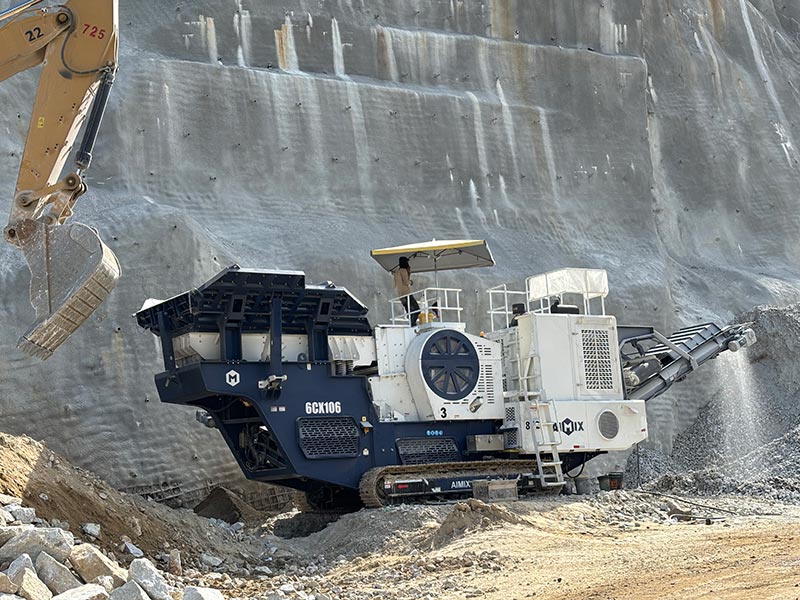
Buying a jaw crusher feels a bit like buying a boat. The purchase price is just the beginning. There are so many other costs that sneak up on you. Fuel. Wear parts. Maintenance. Operator wages. Permits. The list goes on. And if you are not careful, these “little” expenses can add up to more than the machine itself. That is not a fun surprise. So, let us avoid surprises. I have put together a friendly, complete checklist. We will walk from the very first cost (the purchase price) to the ongoing costs (the diesel bill). By the end, you will have a clear picture of what a jaw crusher for sale really costs. No hidden fees. No fine print. Just honest numbers. Grab a coffee. Let us get started.
Upfront Costs: The Price Tag and Its Hidden Cousins
Let us start with the obvious. The purchase crusher machine price. A small jaw crusher (say, 250mm x 400mm) might cost $15,000 to $25,000 new from a Chinese manufacturer. A mid-sized unit (600mm x 900mm) is $60,000 to $120,000. A big European or American jaw? $200,000 to $500,000. The friendly advice is this: do not just look at the number. Look at what you get. A cheap crusher might have a smaller flywheel. That means less inertia. Less inertia means it struggles with hard rock. It might have thinner jaw dies. That means you replace them twice as often. It might have a generic engine that is hard to find parts for. The “saving” upfront becomes a “cost” later. AIMIX and other mid-tier brands offer a good balance. You pay a bit more than the cheapest option. You get much better reliability. That is usually the sweet spot.

The machine is on the truck. Great. Now you need to get it to your site. Delivery can cost $1,000 to $10,000 depending on distance. Then you need a foundation. A jaw crusher is heavy. It vibrates. It needs a concrete slab that can handle the weight and the shaking. A proper foundation costs $5,000 to $20,000. I have seen contractors skip the foundation and put the crusher on railway ties. Do not do this. The crusher will walk. It will shake itself apart. The bolts will loosen. The frame will crack. A proper foundation is not optional. It is essential. Also, budget for installation. Unless you have a skilled team, hire the manufacturer’s technician. A week of their time might cost $3,000 to $5,000. It is worth it. They will level the machine correctly. They will tension the belts. They will set the crusher gap. That is money well spent.
Operating Costs: Where the Money Really Goes
Now we get to the ongoing costs. A jaw crusher is a hungry machine. A diesel-powered unit might burn 15 to 30 liters of fuel per hour. At $1.50 per liter, that is $22 to $45 per hour. Run it 2,000 hours a year? That is $44,000 to $90,000 in fuel alone. An electric crusher is cheaper to run. Electricity is usually $0.10 to $0.20 per kilowatt-hour. A 100kW motor costs $10 to $20 per hour. That is $20,000 to $40,000 per year. Much less. The catch? You need three-phase power on site. If you do not have it, you pay for a generator. Then you are back to diesel costs. The friendly advice? If you are near the grid, buy an electric crusher. The savings add up fast. If you are remote, buy a diesel crusher with a good fuel-efficient engine. Kubota and Cummins are good brands. Avoid no-name engines. They drink fuel like a thirsty elephant.

The second big operating cost is wear parts. The jaw dies are the most obvious. They are the two metal plates that do the crushing. They wear out. How fast? That depends on the rock. Crushing soft limestone? A set of dies might last 2,000 hours. Crushing hard granite? Maybe 500 hours. A set of dies for a mid-sized jaw crusher costs $3,000 to $8,000. Do the math. If you crush granite, you might buy four sets of dies per year. That is $12,000 to $32,000. Then there are the bearings. There are typically four bearings on the eccentric shaft and the pitman. They last longer, maybe 5,000 to 10,000 hours. But when they fail, it is expensive. A bearing costs $500 to $2,000. The labor to replace it is another $2,000 to $5,000. Then there are the belts. The belts drive the flywheel. They cost $200 to $1,000 per set. Change them every 1,000 hours. The checklist is long. The total is real.
The Complete Checklist (Your New Best Friend)
Let me give you a simple checklist to use each month. First, fuel or electricity cost. Track it per ton crushed. Second, wear parts cost. Divide the cost of dies by the hours they lasted. Third, maintenance labor. How many hours did your mechanic spend? Fourth, downtime cost. Every hour the mobile jaw crusher for sale is broken costs you lost production. Add that to your spreadsheet. Annually, add these big items. Insurance (1% to 2% of the machine value). Taxes (varies by location). Operator wages (a good operator costs $30,000 to $60,000 per year). Overhaul costs (every 10,000 hours, you might need to rebuild the bearings and replace the pitman). That can cost $20,000 to $50,000. The friendly advice? Put money aside each month. Create a “crusher savings account.” When the big repair comes, you will be ready. You will not panic. You will just write the cheque.
Finally, let me share three easy ways to lower your operating costs. First, train your operator. A good operator feeds the crusher evenly. They do not dump huge rocks that stall the machine. They listen for unusual noises. They check the oil daily. A good operator can save you 20% on wear parts and fuel. Second, use a vibrating feeder. Do not just dump rock into the jaw. A feeder controls the flow. It prevents shock loading. It extends die life. Third, keep the crusher clean. Dust and dirt build up on the flywheel and belts. That adds resistance. That burns fuel. A weekly clean with a pressure washer takes 30 minutes. It saves you money every hour. There you go. A complete expense checklist. Now you know the real cost. Go make some crushed stone. And keep that spreadsheet handy.

Comments
No comments yet. Be the first to react!