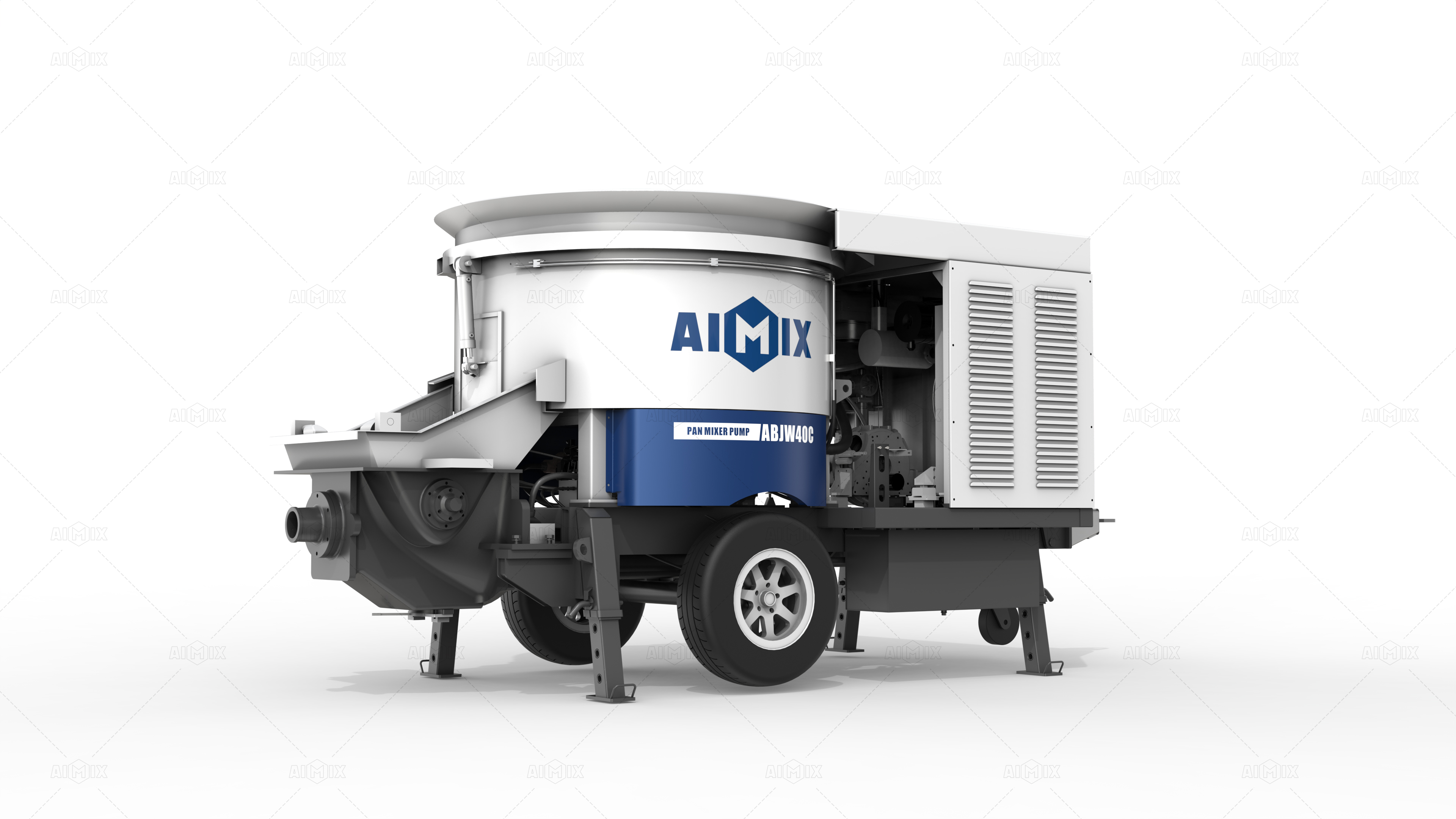
The search for affordable, high-return equipment in construction often leads to specialized machinery that serves a defined market gap. The mini concrete pump for sale represents one such solution, combining a compact mixing unit with a hydraulic pumping system in a single mobile frame. This integrated machine lowers the financial and logistical barriers to offering placed concrete services. Its profit potential is not derived from competing with large-scale ready-mix and pumping companies on major projects, but from dominating a specific operational niche that larger outfits find economically inefficient to service. Analyzing this potential requires a clear understanding of its economic profile, its direct avenues for revenue generation, and a realistic assessment of the ongoing costs that define net profitability.
## Defining the Economic Profile: Capital Efficiency and Operational Niche
The primary advantage of a mini mixer pump is capital efficiency. Compared to the separate purchase of a concrete pump and a batching plant, the combined unit presents a significantly lower upfront investment. This opens the concrete placement business to individual contractors, small construction firms, and entrepreneurial operators who previously could not access this service segment. The machine’s affordability is its foundational strength, but its utility is defined by a specific project scope. It excels in applications characterized by three factors: limited access, small to medium volumetric requirements, and logistical complexity.
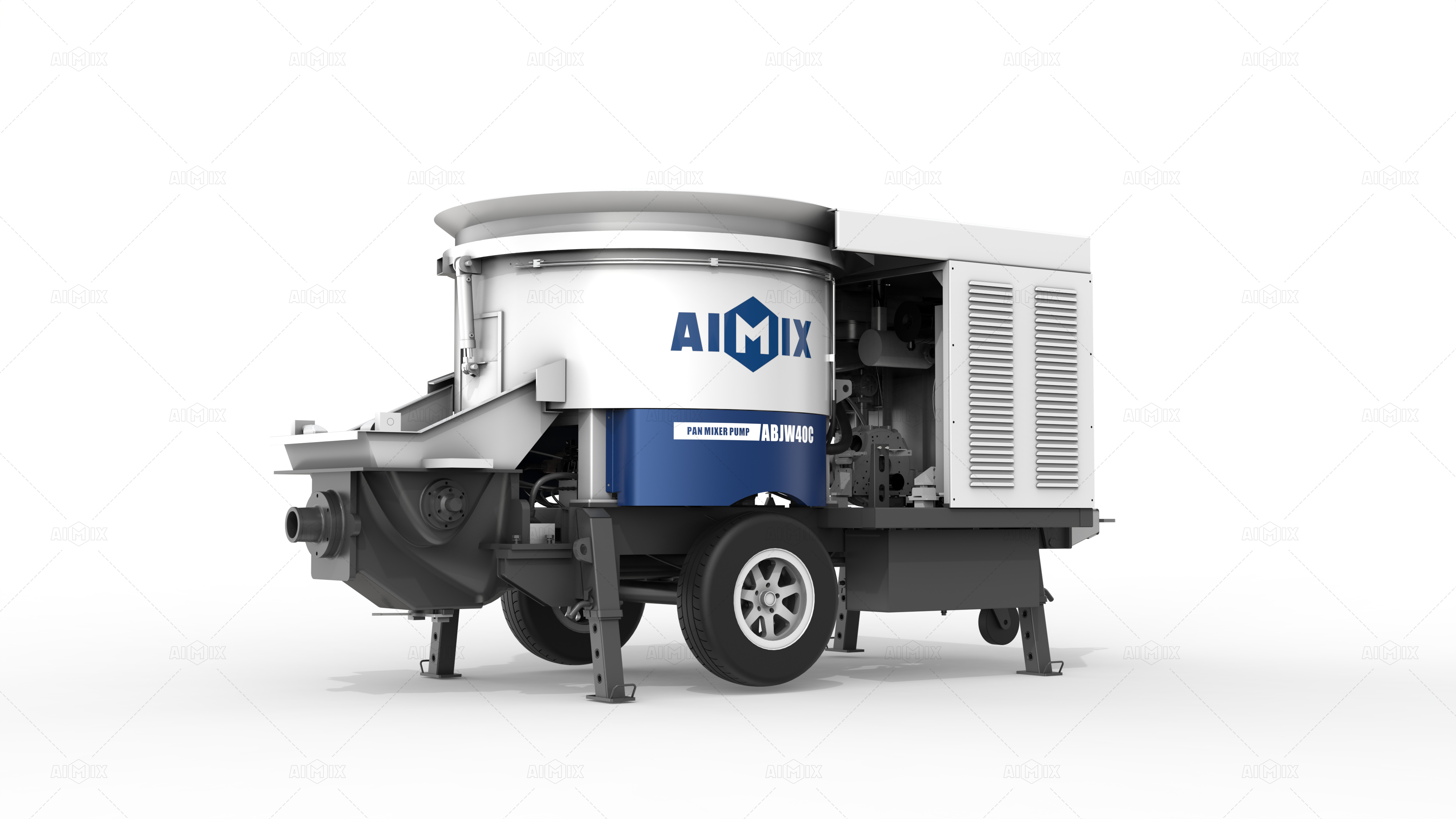
These are projects where traditional concrete delivery is impractical or prohibitively expensive. Common examples include backyard foundations, swimming pools, elevated slabs in dense urban areas, narrow alleyway constructions, and remote rural builds where road access for large trucks is restricted. The machine’s small footprint and ability to pump concrete over significant distances—both horizontally and vertically—allow it to operate in spaces inaccessible to larger equipment. Its batch-mixing capability means it can produce concrete on-site from raw materials, eliminating the need for a ready-mix truck to navigate tight spaces or make multiple trips for small pours. This operational niche is underserved, commanding a premium price due to the specialized solution it provides.
## The Mechanics of Profit Generation: Revenue Streams and Cost Containment
Profitability is governed by two levers: the ability to secure consistent, well-priced work and the disciplined management of operational costs. The mini mixer pump creates two primary revenue streams. The first is direct contracting for the types of niche projects previously described. Here, pricing is not based solely on the cubic yard of concrete but on the value of the complete placement solution. Operators can charge a project rate that reflects the logistical advantage and labor savings provided, often resulting in higher margins than commodity concrete work.
The second stream is subcontracting. Many general contractors, faced with a single complex pour on an otherwise standard job, will subcontract this specific task to a specialist. Becoming the recognized local expert for small-scale, tricky concrete placement can lead to recurring work from multiple builders. The key to activating both streams is a high machine utilization rate. Unlike large pumps that may sit idle between major projects, a mini cement mixer pump’s ideal workload is a continuous series of one or two-day jobs. Maintaining a full schedule is the single most important factor for financial success.
Cost containment is equally critical. Direct costs include fuel for the diesel engine, wear parts for the mixing and pumping systems, and routine hydraulic fluid and filter changes. Labor is a major component, requiring a skilled operator who can manage both the mechanical operation and the concrete mix design. Profit evaporates quickly if the machine is underutilized or if operational inefficiencies lead to wasted material and time. Minimizing downtime through proactive, scheduled maintenance is non-negotiable for protecting revenue flow.
## The Investment Calculus: Beyond the Purchase Price
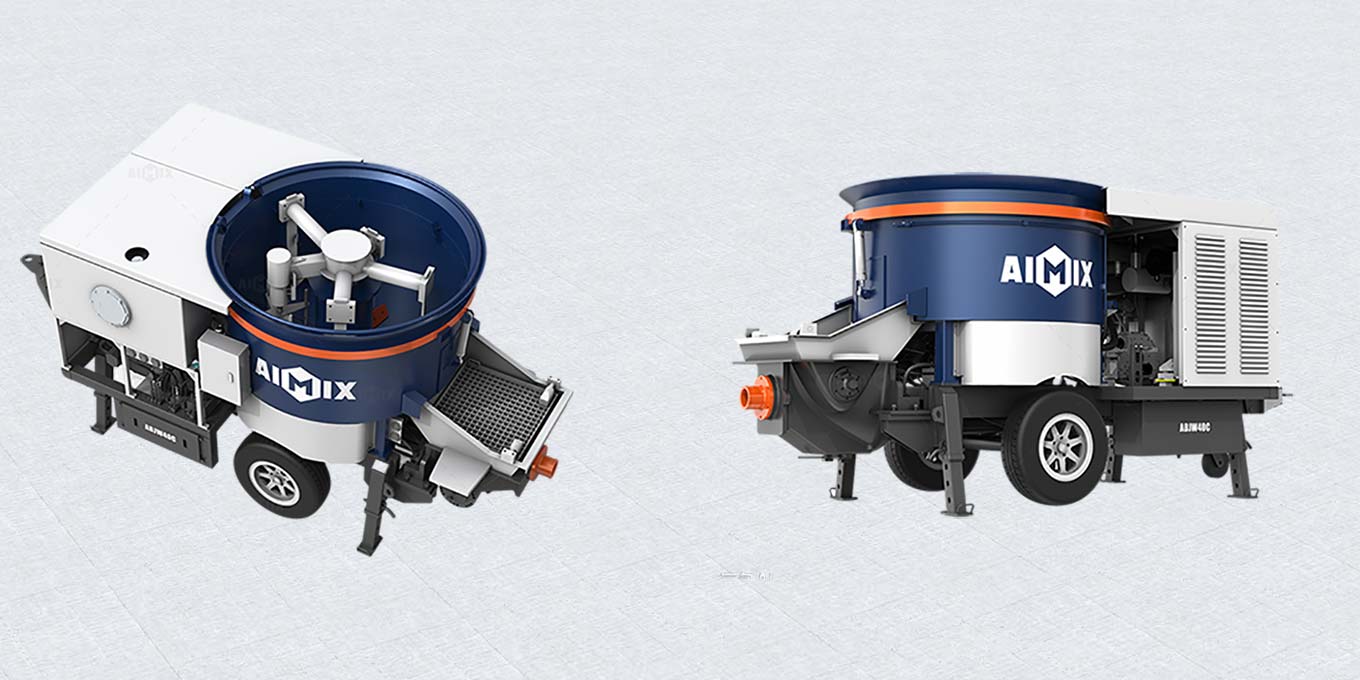
The initial purchase is merely the first financial commitment. A comprehensive evaluation requires calculating the total cost of ownership. This includes foreseeable maintenance, the inventory of critical spare parts to avoid week-long停工停机, and insurance. Furthermore, investment in operator training is essential. An unskilled operator can cause costly pipeline blockages, machine damage, and produce poor-quality concrete, directly harming profitability and business reputation.
The true profit potential is realized when the unit is viewed as the first asset in a scalable model. A successful single-unit operation generates cash flow that can be leveraged to purchase a second machine. This allows the business to take on multiple concurrent projects or larger-scale work. It also provides a critical backup, ensuring that a mechanical failure on one unit does not completely halt income generation. Scaling in this manner transforms the business from an owner-operator service into a more resilient, fleet-based enterprise.
Therefore, the mini concrete mixer pump is an affordable solution with demonstrable profit potential, but this potential is conditional. It is unlocked by targeting the correct niche market, maintaining exceptional operational discipline to maximize billable hours, and managing the total cost of ownership with precision. For the strategic operator who understands these parameters, it represents a powerful tool for building a profitable and specialized construction service business.

Comments
No comments yet. Be the first to react!